
Volunteers at the heart of resilience: lessons from the SPIRIT peer-to-peer exchange in Lyon
Posted on |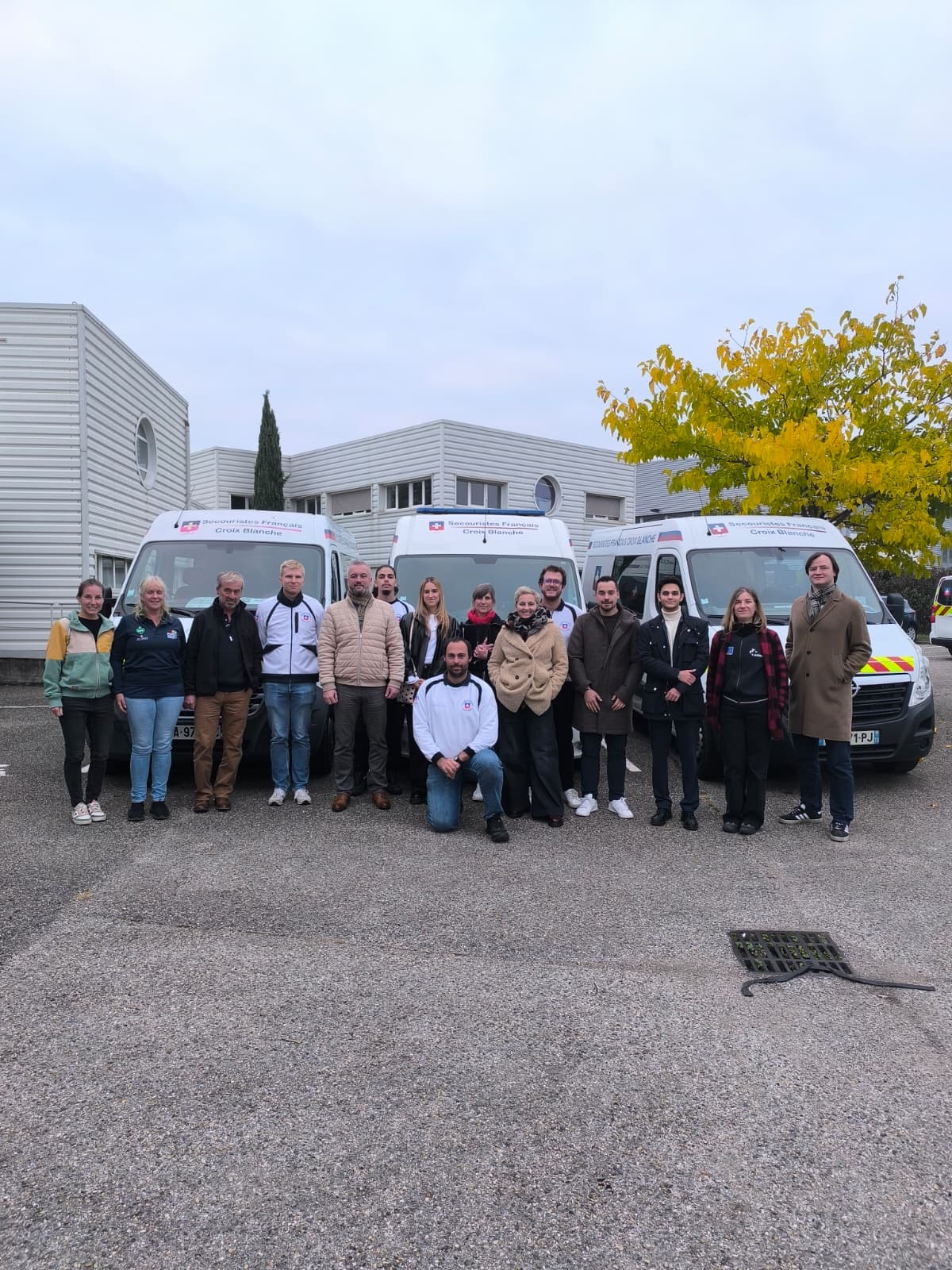
From heatwave check-ins for isolated seniors to shelter managment, or earthquake response abroad, volunteers keep Europe’s communities safe. Volunteer leaders from across Europe met in Lyon to share what works – and what they need from policymakers.
From 30 October to 1 November 2026, the Croix Blanche Lyon hosted a peer-to-peer exchange on Social resilience through structured volunteering. The meeting brought together volunteers and staff from civil society organisations in Austria, Belgium, France, Germany, Italy, Latvia, Malta, Serbia and Slovenia, along with a representative of Lyon’s municipal social services.
The exchange was organised under the Social Preparedness and Resilience Initiative (SPIRIT), co-funded by the European Commission, and hosted by the Secouristes Français Croix Blanche. Its starting point was simple: a resilient society needs both an effective emergency response system and strong social support structures. Volunteers are the foundation of the two.
A local model: keeping seniors safe through the heatwaves
The host city offered one of the meeting’s clearest examples of what SPIRIT aims to achieve. The Secouristes Français Croix Blanche are best known for first aid and disaster response. But in Lyon they have also entered a formal partnership with the Centre Communal d’Action Sociale (CCAS), the city’s social services body, to look after elderly residents during heatwaves.
The system works in three steps. Vulnerable seniors are registered in advance. When an orange or red heat alert is issued, CCAS staff call them to check how they are. Where there is any doubt about someone’s wellbeing, Croix Blanche volunteers visit in person.
Participants saw the partnership as proof that preparedness does not start when disaster strikes. It means identifying risks and vulnerable people beforehand, building support networks, and making sure no one is left without help. It also shows how civil protection volunteers and social services can draw on each other’s strengths – a local initiative that could easily be replicated in other cities.
When disaster strikes: lessons from the field
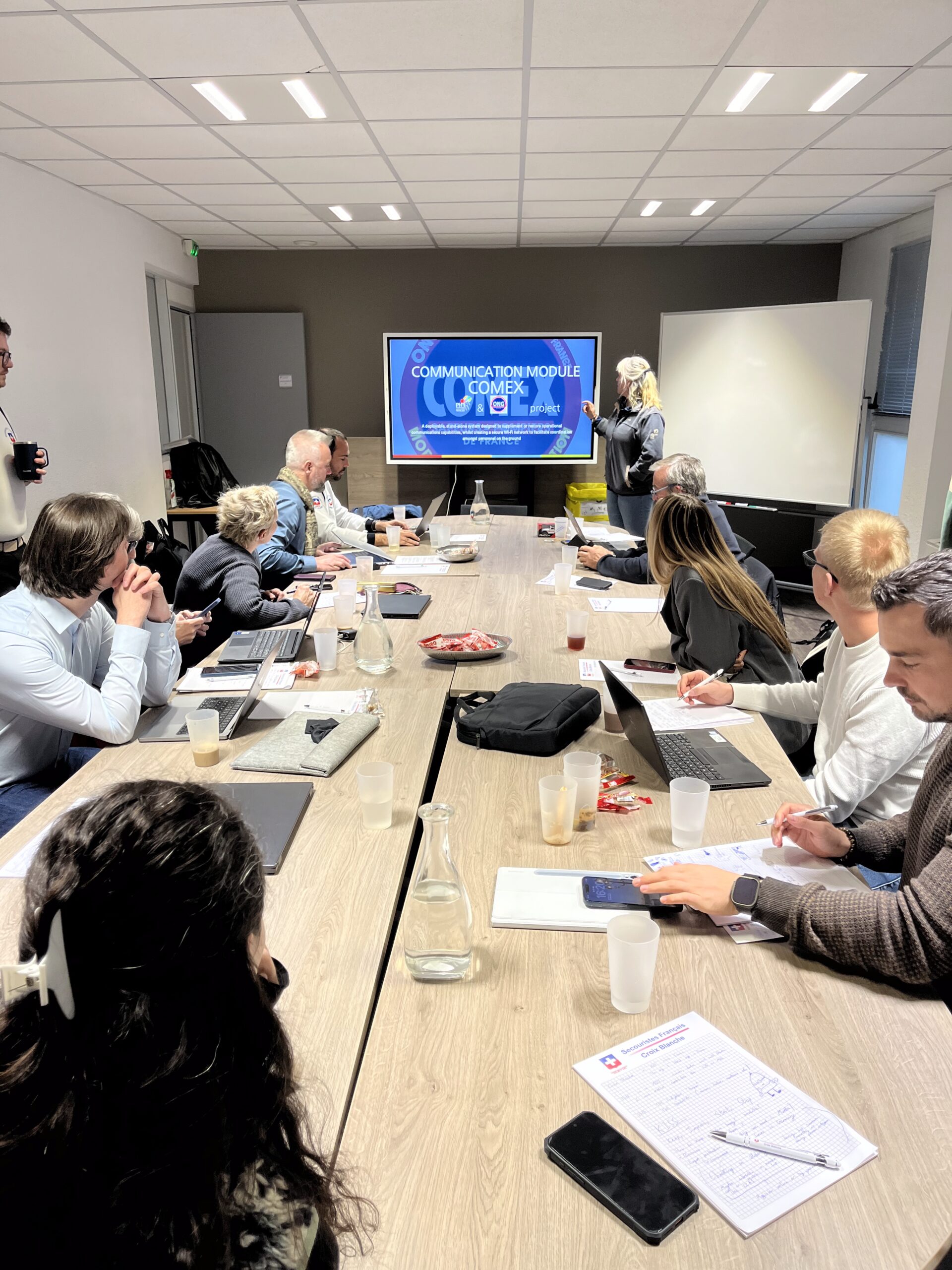
The Secouristes Français Croix Blanche and Pompiers Humanitaires Français shared their recent missions: wildfires in Gironde, cyclones in Mayotte, the earthquake in Türkiye, and support at the Polish-Ukrainian border. All of these operations were run entirely by volunteers.
The discussion that followed revealed common challenges across countries: From quick activation of volunteers and communication channels, to behind-the-scenes logistics, to getting time off work, to unequal recognition, to funding issues and sector fragmentation.
What volunteers are asking of Europe
On the final day, Samaritan International (SAM.I.) presented the results of its Youth Volunteer Survey, carried out during the SAMARITAN contest. Its key findings opened a broader discussion on policy recommendations and on what an EU strategy for structured volunteering should contain.
Recognise volunteers – and what it costs to support them. Participants called on the EU and Member States to recognise the substantial contribution volunteers make in civil protection, firefighting, social care, culture, education, the environment and community life. Just as important is recognising that volunteer management requires resources. Volunteers work for free, but recruitment, training, coordination, equipment, transport, insurance and administration all cost money.
Take a strategic, whole-of-society approach. The EU’s approach to volunteering should go beyond youth and the individual volunteer experience. It should cover the whole life cycle and actively support the organisations that offer structured volunteering opportunities. A whole-of-society approach to preparedness must recognise the key role these organisations play in reaching citizens.
Improve the framework conditions. Recommendations included more funding for organisations offering volunteering opportunities and national laws allowing civil protection volunteers to be released from work when needed.
Next steps
The ideas gathered in Lyon will feed into a set of policy recommendations and a policy brief on volunteering, developed under SPIRIT. The message from participants was clear: volunteers are an essential part of Europe’s preparedness, and connecting the civil protection and social sectors makes communities stronger. To keep that capacity in place, organisations need recognition, sustainable funding and supportive framework conditions – long before the next crisis hits.
The Social Preparedness and Resilience Initiative (SPIRIT) is co-funded by the European Commission (ESF+).